

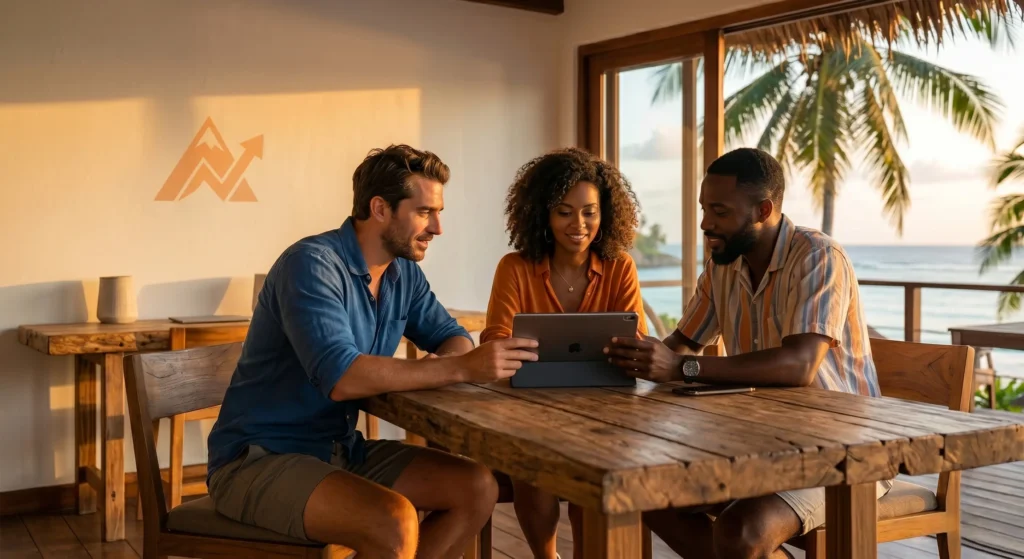
For decades, the standard rule of the professional world was simple: you either worked or you traveled. If you wanted to see the world, you had to squeeze it into a tight two-week annual vacation, constantly checking your inbox while pretending to relax on a beach.
But the landscape of work has completely shifted.
Enter the workation—the perfect hybrid of work and vacation. It is a lifestyle design that allows digital nomads, freelancers, and remote corporate employees to relocate their offices to inspiring new destinations without taking time off or letting their productivity slip.
If you have been dreaming of trading your dull home office view for a coastal breeze, here is your blueprint for successfully balancing your career with your love for travel.
1. Fast Wi-Fi First, Views Second
Let’s be honest: a gorgeous ocean view means nothing if your Zoom call drops mid-presentation. The secret to a stress-free workation is treating your operational needs with the same respect you would in a traditional office.
- The Reality Check: Before booking any destination, verify the infrastructure. You need reliable, high-speed internet, power backups, and a dedicated workspace that doesn’t leave you hunching over a coffee table.
- The NomadGo Advantage: We take the guesswork out of logistics. Every NomadGo stay features verified, work-ready spaces with blazing-fast Wi-Fi, so you can dive into deep work the moment you plug in.
2. Master the “Deep Work” Routine
A successful workation isn’t about working while traveling; it’s about creating an intentional routine where both have their own dedicated time.
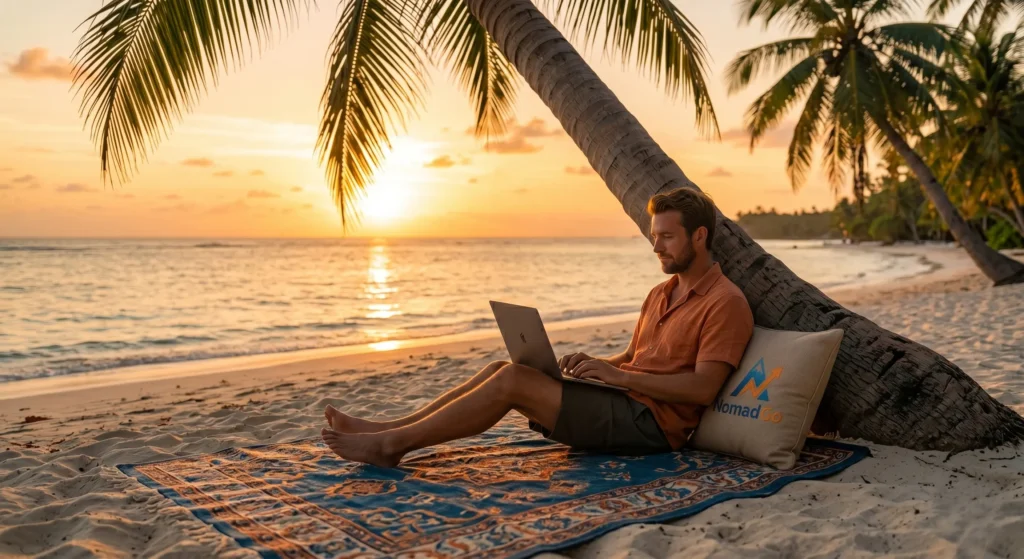
- Time-Blocking is King: Group your high-focus professional tasks into uninterrupted 3- to 4-hour blocks. When you are working, turn off social media notifications and focus entirely on your deliverables.
- Earn Your Freedom: Once your daily milestones are met, close the laptop completely. Knowing you have a coastal exploration or a kayaking trip waiting for you in the afternoon is the ultimate motivation to work efficiently.
3. Travel with Purpose: The Power of Giving Back
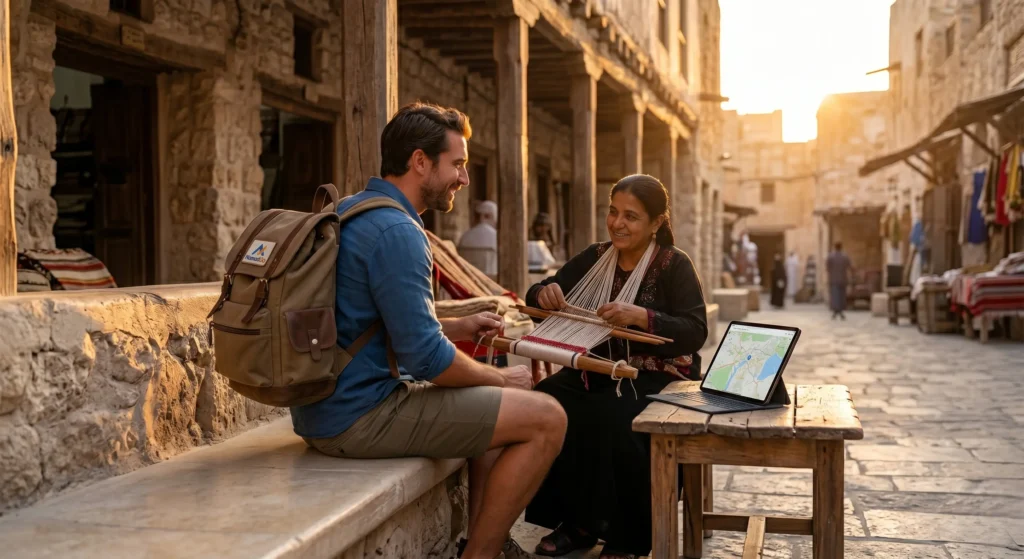
One of the hidden traps of the digital nomad lifestyle is feeling like a permanent tourist—skimming the surface of a place without ever truly connecting to it. The most rewarding travel experiences happen when you actively engage with the local environment.
- Skill-Based Volunteering: As a remote professional, you possess unique skills (whether it’s digital marketing, coding, content creation, or business consulting). Spending a few hours a week sharing that knowledge with local youth, small businesses, or eco-initiatives anchors your journey in shared purpose.
- Cultivating Authentic Impact: By contributing your cognitive surplus back into the host community, you lift up the local ecosystem instead of just consuming its resources.
4. Fight Isolation by Finding Your Tribe
Working remotely from a beautiful, isolated airbnb sounds romantic until the loneliness sets in. Human connection is vital for sustained productivity and creative inspiration.
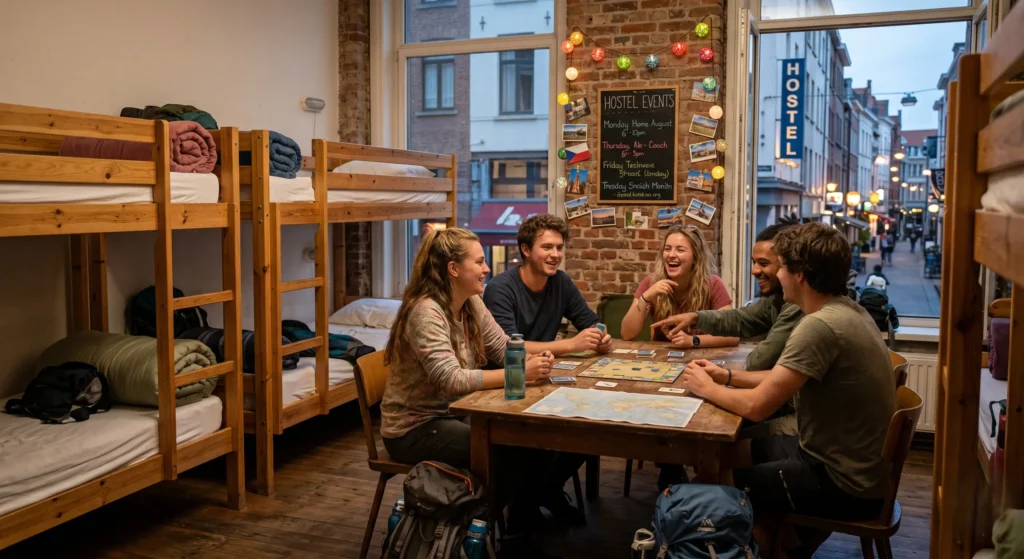
- Look for Communal Hubs: Choose accommodations that offer shared spaces, communal tables, and social hubs where you can organically meet like-minded entrepreneurs, creators, and professionals.
- Network Naturally: Bouncing ideas off a fellow nomad over a morning coffee or sharing a meal after a beach cleanup day can spark unexpected collaborations and lifelong friendships.
“The magic happens when you stop viewing travel as an escape from your life, and start viewing it as a way to expand it.”
Ready to Redefine Your Workspace?
Balancing a thriving career with a life of adventure doesn’t have to be a logistical nightmare.
With NomadGo Workation Packages, we bundle everything you need into one seamless ecosystem: verified work-ready stays, an instant community network, curated local experiences, and meaningful volunteer initiatives.
You bring your laptop and your drive; we’ll handle the rest. Explore our packages today and make the world your office.For decades, the standard rule of the professional world was simple: you either worked or you traveled. If you wanted to see the world, you had to squeeze it into a tight two-week annual vacation, constantly checking your inbox while pretending to relax on a beach.
But the landscape of work has completely shifted.